JPMorgan exec weighs in on AI-powered underwriting
AI can speed up underwriting workflow from 30 days to under 1 minute

AI is reshaping bank underwriting and fraud detection, with the potential to significantly improve risk management, though its impact on balance sheet metrics like credit loss reserves remains complex.
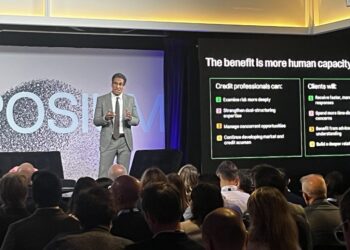
AI is already driving measurable gains across merchant services, particularly in fraud detection and underwriting, Greg Hodges, head of trust and safety at J.P. Morgan Payments, told FinAi News.

By analyzing hundreds of variables, including transaction behavior and non-traditional data, AI models enable more granular risk scoring and faster decision-making, Hodges said.
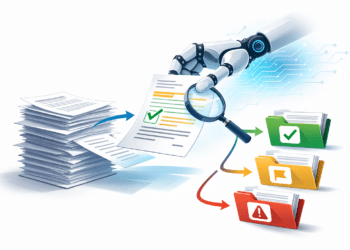
AI models have “completely automated and accelerated parts of the onboarding process,” Hodges said, noting that processes that once took more than 30 days can now be completed in less than a minute
Agents can handle multiple steps in underwriting, from examination of client due diligence to exposure calculation, Hodges said. These systems also provide real-time anomaly detection, flagging suspicious transactions as they occur and helping prevent fraud before losses materialize.
Unlike traditional rule-based systems, AI models improve through adaptive learning, allowing them to detect increasingly sophisticated fraud schemes — including those involving AI-generated content, he said.
Efficiency, loss reserves
Efficiency gains are already showing up in operations.
“Some parts of the fraud detection process have seen double-digit percentage increases in efficiency,” Hodges said.
Beyond operational benefits, AI could also influence how banks manage their allowance for credit losses (ACL), he said.
JPMorgan reported in its fourth-quarter 10-K that its ACL, which includes delinquencies and fraud-related payments, was $31.2 billion for 2025, up from $26.9 billion in 2024. The bank increased its reserves despite investing more in lending and fraud tech.
ALSO READ: Banks can cut fraud loss reserves by 50% by 2030 with AI
More accurate underwriting and earlier fraud detection can reduce defaults and chargebacks, while improved forecasting models may make loss estimates more precise, Hodges said.
“If AI consistently leads to lower loss rates and better predictions, it could justify lower reserve levels over time,” Hodges said.
However, the relationship is not clear-cut.
ACL reserves are influenced by macroeconomic conditions such as unemployment, GDP and housing prices, as well as regulatory expectations and internal risk buffers, Hodges said. Even with improved underwriting, banks may still increase reserves during economic downturns.
There are also emerging risks. Regulators are closely examining AI models for issues such as bias, opacity and reliability, and poorly calibrated systems could add vulnerabilities rather than mitigate them, he said.
“AI is best viewed as one important factor among many that influence reserve levels, not a silver bullet,” Hodges said.
Register here for the FinAi Lending Summit, set for Oct. 7-8 in Las Vegas.