Better Home, Fifth Third, Avant push bounds of agentic lending
Market for agentic AI in finance could surpass $80B by 2034

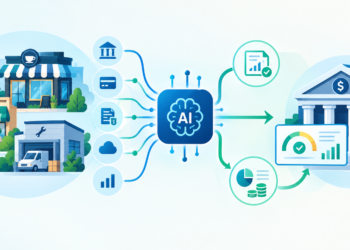
Financial institutions and fintechs are bullish on agentic AI’s potential to transform lending processes such as underwriting, preapprovals and customer relationships.
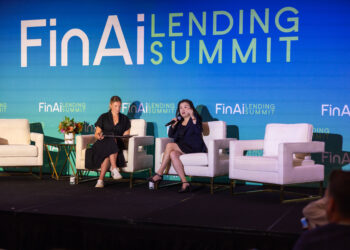
AI-native mortgage lender Better Home & Finance has implemented a policy in which a human underwriter cannot deny credit unless an AI agent also performs the underwriting on a second pass, Leah Price, general manager of Better’s proprietary lending platform, Tinman AI, said during a panel discussion at last week’s Fintech Meetup in Las Vegas.
The rule was enacted because there are “gray areas in lending” that a human underwriter may look past, whether it’s data or specific guidelines, Price said.
“But the machine that has read every single guideline and knows everything about all of the data is able to pick up on some of that. We’re putting this into place and seeing how our AI agents sometimes outperform human beings.”
— Leah Price, GM, Tinman AI Platform at Better.com
Untapped data
While AI agents are already automating routine underwriting tasks, the technology could handle more complex decisions such as subprime loans, John Sun, co-founder of online lender Avant and chief executive of compliance and customer service platform Spring Labs, said during the panel.
Agentic AI can tap into “the vast, untapped dark pool” of conversational data to aid subprime decisions, Sun said.
“I think that is going to be pretty revolutionary because when you talk about the near-prime and non–prime consumers, a lot of these guys are in thin files,” he said. “There’s just not a lot of available information through the traditional data sources. But what [subprime borrowers] do have is reams of documents about their own financial status that now you can seamlessly ingest and be able to make use of.”
Agentic AI is also revolutionary due to its ability to extract and analyze transaction data for underwriting, Jay Budzik, senior vice president and director of AI at Fifth Third Bank, said at Fintech Meetup. This data includes:
- Rent payments;
- Paycheck amounts;
- Money inflows and outflows; and
- Spending behavior.
“For example, we’re deploying a model now that is able to accept people who have very little credit history because we’re able to see the cash-flow attributes.”
— Jay Budzik, SVP, Fifth Third Bank
Agentic lending forecast
The global market for agentic AI in financial services is projected to hit $80.9 billion by 2034, up from $3.1 billion in 2025, according to research and consulting firm Market.us.
Agentic lending could evolve into the “next version of SEO” or pay-per-click advertising over the next five years, suggesting loans or offering pre–approved loans based on customer data, Spring Labs’ Sun said.
Eventually, a person might not need to apply for a loan, but rather, simply declare intent, Kareem Saleh, CEO of Fairplay, an AI enablement company for FIs, said.
For example, a borrower may ask an AI agent to purchase a car with a monthly payment less than $500. The agent then sources the car, negotiates the deal and executes the financing, he said.
Another potential advancement is that AI agents will seamlessly manage credit cards, loans and other financial products, blending them together and providing better outcomes for consumers, Fifth Third’s Budzik said.
Register here for the FinAi Lending Summit, set for Oct. 7-8 in Las Vegas.