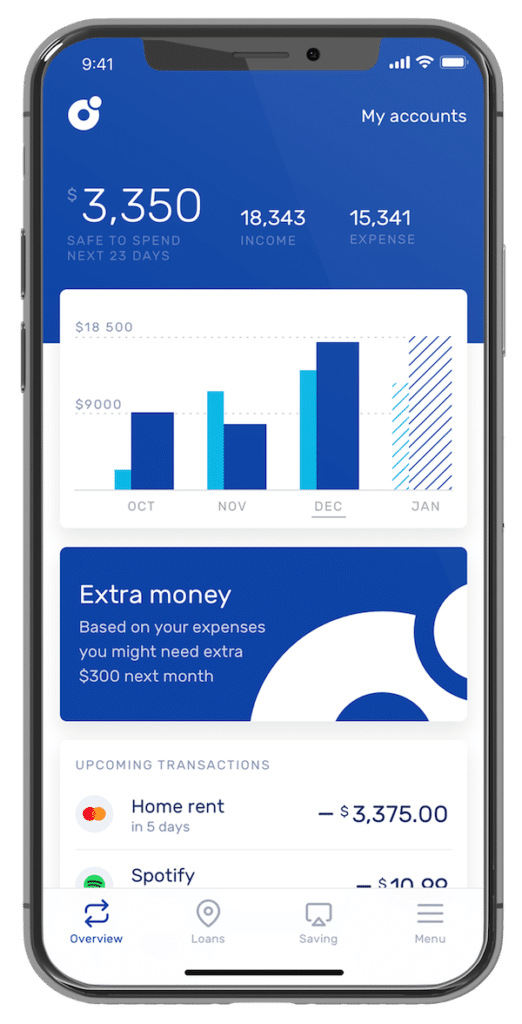
Koho, a Toronto-based digital banking startup, has raised C$42 million (US$31 million) in a Series B round to add new products and services.
Koho, with its millennial friendly aesthetic and messaging, currently offers its users debit cards, personal finance management tools and cashback features. CEO and co-founder Daniel Eberhard told Bank Innovation the new funding will allow the company to enhance its technology stack, grow its user base and move into new areas, including credit. With new products comes revenue generation opportunities as Koho competes with incumbent banks.
“We need more horizontal products, so what is a great traditional savings product or line of credit product,” Eberhard said. “The other focus is that we’ll continue to develop our technology around what we think we do well, which is cards and manifestations of useful cards.”
Portage3 Ventures led the funding (it also led Koho’s Series A round), while Greyhound Capital and other strategic investors participated. Koho so far has raised C$52.6 million and, although it doesn’t have a bank license of its own, it has partnered with Vancouver-based People’s Trust to offer banking services.
The growth of Koho, launched in 2017, adds competition to a Canadian banking ecosystem dominated by six incumbent players, namely Royal Bank of Canada, TD Bank, Scotiabank, Bank of Montreal, CIBC and the National Bank of Canada. Though some of these banks have launched their own digital-only brands, the market is ready for an alternative, said Adam Felesky, CEO of Portage3. The venture firm, which is part of Power Corporation’s alternative investment platform, also has invested in other large Canadian fintech startups, including Wealthsimple and Borrowell.
“Because of the oligopoly nature of Canada, there’s been a huge under-investment in [incumbents’] infrastructure and technology, and there’s just been a lethargy,” said Felesky. “With the tailwinds of technology advancement, mobile and changing consumer behavior and a new wave of regulatory tailwinds from a consumer data-rights perspective, we feel that it’s ripe for an emerging, digital new-age bank to come to the marketplace.”
Gaining a leg up on incumbents won’t be easy, however, and investments in products and customer growth will be key. “There’s probably only going to be one winner that’s going to emerge as a digital banking alternative to the incumbents,” said Felesky. “So, as we did with our Wealthsimple investment, we’ll drive hard both in terms of investments in underlying products and customer acquisition.”
Broadening the range of services is a good strategy for Koho to build sources of revenue beyond interchange fees, a path other banking startups have pursued in the U.S. and the U.K., said Allyson Clarke, principal analyst at Forrester Research. “There’s more at play here, and it’s not just about moving into other products like lending,” she said. “We’re seeing a lot of disruptors that started with bank accounts moving into lending and pulling people into a [financial] ecosystem.”