Wells Fargo is leaning on a results-driven approach to tech strategy to help guide the next generation of investors.
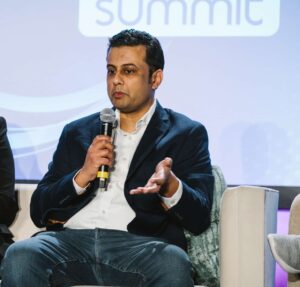
About $100 trillion of wealth will be transferred from baby boomers to younger generations in the next 20 years, so financial institutions must be able to adjust their tech strategies, Hemal Nagarsheth, head of strategy for banking, lending and trust at $1.7 trillion Wells Fargo’s Wealth and Investment Management segment, said during the recent Bank Automation Summit 2025.
“Those younger folks are not going to be like the boomers. They’re going to be mobile-first. They’re going to be tech-first.” — Hemal Nagarsheth, head of banking, lending and trust, Wells Fargo
“They’re the ones who are going to have the wealth. That’s what we have to serve,” he added.
For Wells, it’s not about what technology the bank uses, but reaching the desired return on investment in investing in and deploying new tech, Nagarsheth said.
“My position is trying to be technology agnostic,” Nagarsheth said, adding that he asks himself the following questions:
- What’s the problem?
- What are we trying to do?
- Why does this make someone’s life better?
For example, Wells in 2022 implemented its in-house, Google Cloud-powered, AI-driven virtual chatbot, Fargo, to answer client inquiries and free up advisers, he said.
“There’s things that [advisers] could be doing, such as working with a family on their wealth plan or their estate plan, not doing a bunch of paperwork and trying to take notes,” he said.

Fargo’s capabilities include:
- Bill viewing and management;
- Spending summaries;
- Peer-to-peer payments via Zelle; and
- Retrieving account data.
Wells plans to spend $54.2 billion this year on efficiency initiatives — including $900 million in incremental tech spend — which it expects will improve the client experience, the bank said in its January earnings presentation.
“Just keep the eye on the ball, which is where we want to go,” he said.
Follow coverage of Bank Automation Summit 2025 at finainews.com.