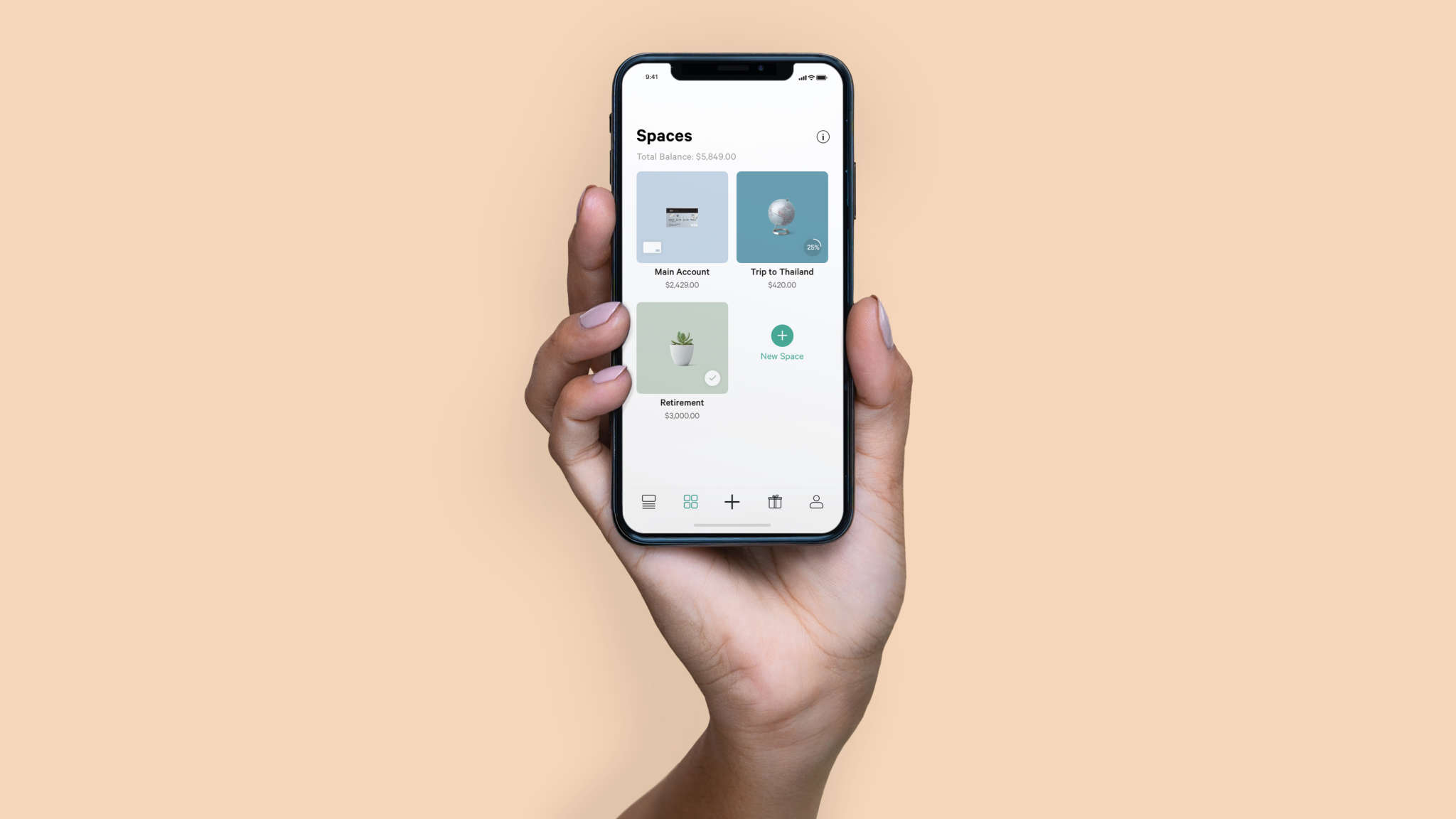
Doxo, a bill payment aggregator with 50,000 billers and more than 3 million customers, is growing its customer base by adding bill pay solutions where banks fall short.
Co-founder and CEO Steve Shivers said the Seattle-based company acquires customers because its platform can add billers that banks typically don’t include, such as highway toll accounts and healthcare providers. In addition, customers can pay with credit cards and Apple Pay, while automatic bill pay from banks draws from a checking account.
Doxo is branding itself as a centralized location where customers can handle all their bill pay needs instead of having to store payment information and login credentials with multiple websites. “With bill pay, it’s apples and oranges and pears and bananas,” Shivers said. “Every biller has their own way they’ve designed the bill pay experience: this one wants me to have a login; that one wants me to have my account number with me; and that one only takes bank payments but not credit cards. We take all the variability out of it for the consumer.”

Doxo’s strategy to acquire customers is more than just offering more billers and payment options; it’s also about the user experience. Because Doxo doesn’t store any payment information with individual billers, customers can change their credit card information directly with Doxo instead of with multiple billers every time they get a new card. Customers won’t mistype billing information because Doxo independently validates the payment information for all billers on the platform.
In addition, Doxo suggests common billers in customers’ regions in categories like internet, gas and health insurance, and Shivers said this “suggestion wizard” allows users to set up all their bill payments in a minute or two. Through a partnership with Plaid, Doxo will alert customers if an ACH payment won’t cover a bill so they can choose an alternate method.
Shivers said Doxo appeals to billers because it provides more convenient ways to accept payments, which increases the reliability of bill payments. The overdraft protection through Plaid means billers save time with customer service calls and unreliable transactions.
Doxo, which generates revenue through transaction fees, works with individual billers to negotiate pricing. According to Shivers, Doxo’s fees are similar to those levied by card processors, but he didn’t offer specifics. Once billers join the Doxo network, they decide how much to charge customers, but Shivers said billers often make the service free.
For one-time ACH transactions to companies outside the network, Doxo charges $2.99. Card payments to companies outside the network depend on the biller and the size of the transaction, but the price starts at $3.99 per payment. The company also is rolling out a subscription model called DoxoPLUS, which starts at $9 per month for all bank payments and includes overdraft protection.
Shivers said Doxo has a multifaceted relationship with banks. The company is competing with banks’ bill payment features, but Doxo also helps billers accept payments through credit cards, which are more lucrative for banks than ACH transfers. Many banks themselves accept bill payments through the Doxo platform as well.
See also: Bill Pay Network Doxo Adds Apple Pay as Payment Method
The product resembles that of Paytm Canada, which rewards customers when they make bill payments. Doxo doesn’t offer rewards yet, but it’s a long-term goal, according to Shivers.
Bryce VanDiver, a partner at the financial consultancy Capco, said the price for Doxo’s one-time transactions out of its network are steep, but he said people may use the service because it saves time. “In today’s world with different passwords, different accounts, having multiple providers where you might have different bank accounts associated with those providers, using different cards and different payment types, that is a cumbersome process,” he said. “There is a differentiator right now in how they’ve architected this. Banks already are playing from behind.”