Truist taps clients to help revamp tech

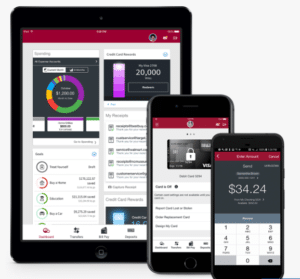
Truist Bank, the result of the December SunTrust and BB&T merger, is building out its digital channels through daily customer feedback and regular client sessions at the bank’s innovation labs.

The Charlotte, N.C.-based bank uses technology to build trust, according to Donta Wilson, chief digital and client experience officer at Truist. “We don’t just build the next new shiny thing because it’s cool or interesting.”
Truist’s focus on customer feedback is part of the its plan to create better banking experiences and add value to customers’ financial lives, which Wilson believes is how banks will compete moving forward. It’s a strategy that has yielded early results: J.D. Power awarded BB&T — now Truist’s — app the top spot on its 2020 U.S. Banking Mobile App Satisfaction Study; it finished 14th, below the industry average, last year.
Mike Shade, director of digital banking for retail and wealth at Truist, said every three weeks the bank hosts between six and eight clients at its innovation labs, where clients test the bank’s new digital functions to see what works and what needs improvement. Truist is currently building an Innovation and Tech Center in Charlotte, N.C., to host product managers, engineers, compliance, legal and other departments to work on new initiatives. Once completed, the center will be the site of a more robust innovation lab.
The in-person lab sessions build on the virtual test sessions Truist runs with 3,000 participating customers. In addition, Wilson said the bank runs a program called “Voice of the Client,” obtaining feedback from about 100,000 customers to gauge the success of their bank interactions. Truist receives the daily feedback and notes the time, branch or channel each customer used to interact with the bank, which uses the co-creation sessions to ensure the 10 to 12 most-used banking functions run smoothly. For example, it recently improved its bill pay and debit card fraud customer journeys, based on the feedback.
Truist, which has $506 billion in assets, said the full marriage of BB&T and SunTrust, including rebranding branches and ATMs, will take place over the next two years. Wilson didn’t have an update but said employees were “heads down and working hard” on the conversion. The merger appealed to investors as a way to cut overhead and upgrade the bank’s IT infrastructure. The bank could consolidate overlapping branches and eliminate duplicate positions and, in fact, eliminated 800 positions during the first quarter. It projects the merger could save $1.6 billion in total costs.
Truist will need to contend with negative public relations that come with eliminating jobs during a recession. “Just the idea of branch closures in this environment is a little tenuous,” Piper Sandler analyst Stephen Scouten said recently.
See also: Truist, the combined BB&T-SunTrust bank, looks to defend its turf
Despite the business promise of the merger, other banks are moving onto Truist’s turf. Last summer, U.S. Bank said it would expand its business in the Southeast with a “branch-lite, digital first” strategy. And First Horizon and Iberiabank’s merger of equals, meanwhile, is part of a plan to grow business in the South. Wilson said Truist’s strong retail footprint and customer service centers, combined with enhanced digital channels informed by customer feedback, will enhance its business moving forward.
“When you think about banking innovation and the pace that it’s occurring, building a financial solution with your clients is super important,” Wilson said. “Our goal is to have the best and most distinct client experience in any channel [where] our clients want to show up.”