Good business: Eco-friendly credit cards on the horizon

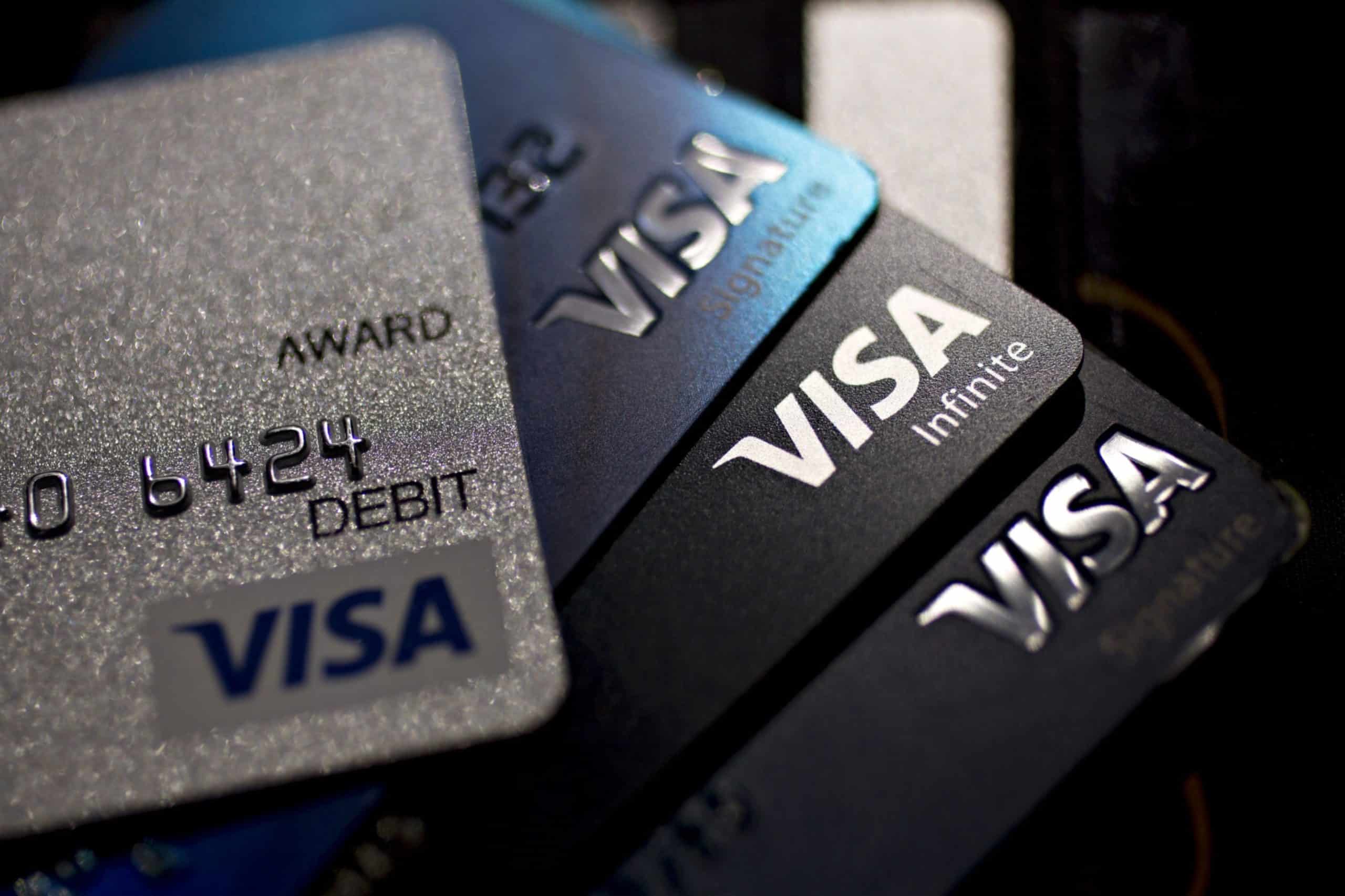
The plastic credit card consumers keep in their wallets may soon change. With more consumers demanding eco-friendly business practices, issuing banks could benefit from using more sustainable card materials, according to Aite Group’s report, “Eco-Friendly Card Material: Bringing Sustainability to Card Issuance.”
“Not only is there approximately 150 million metric tons of plastic in the ocean today, but an estimated 8 million metric tons of plastic is added each year,” wrote David Shipper, senior research analyst at Aite Group and study author. “The perceived environmental impact of products influences consumer purchase decisions in other industries, creating an opportunity for financial services to align products and services with this shift in consumer preference.”
Nielsen data shows that almost half of U.S. consumers say they would definitely or probably change their consumption habits to help the environment, and sustainable practices have gone from good ethics to good business. According to the Aite Group report, eco-friendly card material could help banks connect with consumers and further their sustainability efforts.
The report highlighted different options available to issuing banks looking for more sustainable card materials than the industry-standard first-use polyvinyl chloride (PVC). Utilizing recovered ocean plastic shows consumers the bank is not only using eco-friendly material with better durability than PVC, but also diverting plastic away from the ocean. Recycled polyethylene terephthalate (PET) and recycled polyethylene terephthalate glycol-modified (PETG) combine plastics from items like water bottles for durability “equal to or greater than PVC” according to the report. Polylactic acid (PLA), meanwhile, is another option, a material that comes from corn. Banks can also use recycled PVC to make the cards.
Some institutions are ahead of the curve. Bank of the West, for example, offers a biodegradable debit card as part of its 1% for the Planet checking account. Banking startup Aspiration, meanwhile, makes its debit card from recycled plastic.
To avoid “greenwashing,” or minor environmental initiatives used as marketing ploys, Shipper notes additional steps banks can take for more sustainable card practices. Using eco-friendly printing, production and card packaging can make issuers’ green initiatives more substantial, as can card-reclaim programs where consumers can recycle their old cards.
See also: Can banks win consumer trust with eco-friendly tech?
However, the report also points out a disconnect between big banks’ promotion of sustainability efforts — which all top 25 banks and credit unions by asset size promote — and card executives. The report surveyed 20 bank executives with senior responsibilities in retail banking, card strategy and operations; of the 14 working at an institution with a sustainability group, only three said they speak with those groups. Still, industry executives do appear to view eco-friendly cards as a step in the right direction.
“This is a great cause and something valuable to market to the younger generation,” said an executive at a $1 billion U.S. credit union in the report.
The 2020 Banking Automation Summit Virtual Experience, taking place November 9-10, is a new event that will provide a platform for industry professionals to share fresh insights, tools, trends and strategies. The Summit will focus on how automation will transform banking, especially with regard to back-office operations, risk management, data science and utilization, customer experience and more. Register here.