Better.com profits from low interest rates and recent layoffs

Laid-off hospitality workers can start new careers as loan officers with Better.com. The digital mortgage lender plans to hire 1,000 new employees this year and is targeting hospitality workers who have lost their jobs due to the COVID-19 crisis.
To Better.com, hospitality workers will make good loan officers because they are calm under pressure and have the people skills needed to provide excellent customer service. The added headcount will help the company handle its recent spike in volume; Better.com saw a 200% increase in applications last month for a total of $1 billion in home loans, due to low mortgage rates and consumers avoiding in-person interactions.
“People look us up through Google reviews or Yelp reviews,” said Tanya Hayre, head of public relations at Better.com. “If we don’t have the people on the other end providing five-star customer service, our reviews are going to suffer and nobody is going to give us a chance.”
Better.com is hiring in several sales and operations roles. The laid-off hospitality workers will take a three-month online course called “Better University” to learn the skills and obtain the certifications necessary to become a loan officer. The New York-based company is looking to hire laid-off hospitality workers in New York City, Charlotte, N.C., and Orange County, Calif, for permanent roles. So far, the company has onboarded about 120 new employees since the pandemic altered day-to-day life.
See also: How Better.com is designing the real estate buying process for a younger audience
The $1 billion in home loans Better.com issued last month is up from $375 million in August. Although big banks like Wells Fargo and Bank of America have more brand-name recognition than the 4-year-old startup, Hayre said the company’s completely digital application is more appealing than the in-person processes offered by banks. She said many banks have two-hour wait times to talk to a mortgage officer, while more than 80% of Better.com customers don’t have to talk to anyone to complete their applications.
The only hiccups in Better.com’s otherwise digital home-buying process are notary signings and appraisals. For now, notaries are dropping paperwork at consumers’ doorsteps and watching them sign from a distance, often from their cars, according to Hayre. Appraisers, meanwhile, are forced to complete as much of their work as possible without coming into direct contact with homeowners. The startup is hoping state governments will approve virtual notaries and appraisals in the future.
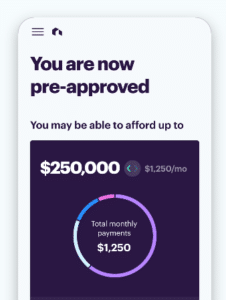
Better.com has raised $254 million to date, including a $160 million Series C in August. The company underwrites customers using data from banks, insurance companies and homeowners associations. According to the company, Better.com can provide pre-approvals and estimates within minutes, and customers can close on loans within 21 days.
The 1,000 new employees will add to the company’s 1,800 current employees across six offices.