Fraudsters target RTP, FedNow newcomers
FIs can mitigate risk using AI, transaction limits

The Clearing House and Federal Reserve publicize the adoption of their payments rails, Real Time Payments and FedNow, by posting on their websites which financial institutions are live on their networks — offering something of a roadmap for fraudsters to take advantage of newly onboarded FIs.
“The reason why [fraudsters] target new financial institutions is because the new financial institutions sometimes don’t have the fraud detection in place,” Jeff Bucher, senior product strategy manager at digital banking solutions provider Alkami, told Bank Automation News. Fraudsters recognize that FIs new to the rails are more likely to have gaps in their processes, allowing fraudsters to take advantage of instant payments,
“Protect yourself as a financial institution,” he said. “That’s the key.”
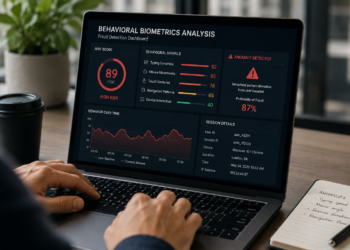
To fight real-time payments fraud, financial institutions can invest in network and collaborations with other financial institutions to share data characteristics of fraudulent transactions, according to tech provider Cognizant’s website. They can also lean on AI and machine learning protections that detect and block RTP fraud before payments go through.
Additionally, FIs can set their own transaction limits to identify fraud, Alkami’s Bucher said.
“Per transaction limit, keep it low, around $1,000 or $2,000,” he said. By starting low, even if fraudsters identify system gaps, they won’t get much money out of it, and they will “move on to somebody else.”
Instant payment growth
RTP and FedNow network adoption is on the rise.
In fact, RTP payment volume increased 94% year over year in 2024 to $246 billion with 840 FIs on the network, according to The Clearing House.
FedNow, launched in 2023, is also gaining traction, with more than 1,100 FIs on the network, according to the Federal Reserve.
Register here for early-bird pricing for Bank Automation Summit 2025, taking place March 3-4 in Nashville, Tenn. View the full event agenda here.