Fintech halts Russian payments in solidarity with Ukraine
Expert advice: Defending against Russian cyberattacks

International money transfer fintech Paysera transfers to and from Russia, with Paysera saying it was a show of solidarity with Ukraine today as Russian armed forces invaded the Eastern European country.
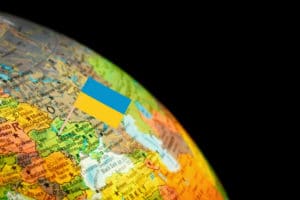
Lithuania-based Paysera said that it will restrict transfers in and out of Russian and Belarusian banks, close its Russian clients’ accounts and no longer process transactions in Russian rubles, according to a company release. The fintech called on other financial institutions to suspend Russia-related transactions.
“We stand in solidarity with the Ukrainians and will no longer process nearly all transactions related to Russia,” Gintautas Mezetis, CEO of Paysera, stated in the release. “While we understand that we are not a giant in the financial market, we do want to send the message that we can all have an impact through the choices we make.”
U.K.-based Wise, formerly known as TransferWise, is used for international money transfers. The fintech is capping transfers on its platform to Ukraine so that it can continue providing its service there, a spokesperson told Bank Automation News.
“We are monitoring the situation closely and will comply with all sanctions.” the spokesperson told BAN. “There is currently a £200 daily limit in place for transfers to RUB. Recent developments in the region mean it’s more difficult to operate our service. The limits are in place to make sure we can offer our service to as many people as possible.”
The U.K., U.S., EU, Japan and Australia are among the nations that issued sanctions against Russia this week, including financial sanctions against its banks and individuals. President Joe Biden today announced sanctions against four major Russian banks and on Russian elites and their family members.
Biden said the U.S. and its allies will not bar Russia from the Swift international banking network because Europe does not want to undertake that action, Bloomberg Mercury reported today. Biden said the sanctions imposed against the Russian banks should have a similar effect in limiting Russia’s ability to do business in dollars, Euros and British pounds.
Cybersecurity warnings issued
In related news stemming from the invasion, the Australian government issued a warning to organizations to boost their cyber defenses, ZDNet reported. Russia launched massive cyberattacks against the Ukraine ahead of the physical invasion, but Australian Prime Minister Scott Morrison warned that cyberattacks are the most obvious path for Russian retaliation, adding that companies could be targeted as well as suffer collateral damage from such attacks.
Mick Douglas, a principal instructor for the SANS Institute cybersecurity research and education organization, issued a series of tweets Wednesday on how organizations can secure their IT infrastructures against Russian attacks. Among his recommendations:
- Monitor outbound traffic. DMZ servers respond to external requests so look for DMZ systems initiating outbound.
- “Don’t get too hung up on IP address blocks. Geo blocking has some advantages, but the only time Russian groups come from Russian IP space is when they want to rub it in.”
- “You 100% must know what is ‘normal’ exes on your systems.” App control, which used to be call “white listing,” is table stakes.
- Learn about living off the land (LOtL) attacks, which enable cyberattackers to blend into an organization’s network and hide among the legitimate programs and processes in order to carry out a stealth attack. “They are using core parts of the OS against you. None of your tools will stop these. You likely already have exclusions for the ports and protocols these tools use,” Douglas warned.
Bank Automation Summit, taking place March 1-2 in Charlotte, N.C., is the first and only event to focus solely on automation in banking. The event will feature the brightest minds from across financial services on intelligent automation strategies and deployment. Learn more and register here for Bank Automation Summit 2022