FinAi News

No products in the cart.

Subscribe
  • News
  • AI News Tool
  • Data
  • Transactions
  • Events
    • FinAi Banking Summit
    • FinAi Lending Summit
  • Podcast
  • WEBINARS
    • Webinar Library
Log In
No Result
View All Result
  • Banking
  • Lending
  • Payments
  • Risk & Security
  • Strategy
FinAi News
  • News
  • AI News Tool
  • Data
  • Transactions
  • Events
    • FinAi Banking Summit
    • FinAi Lending Summit
  • Podcast
  • WEBINARS
    • Webinar Library
BAN PLUS
Log In
No Result
View All Result
FinAi News
No Result
View All Result

Weekly Wrap: Varo is a bank and a big week for payments startups

Bank Automation News EditorsbyBank Automation News Editors
July 31, 2020
in Banking, Payments, Risk & Security, Strategy
Reading Time: 12 mins read
Share on Facebook

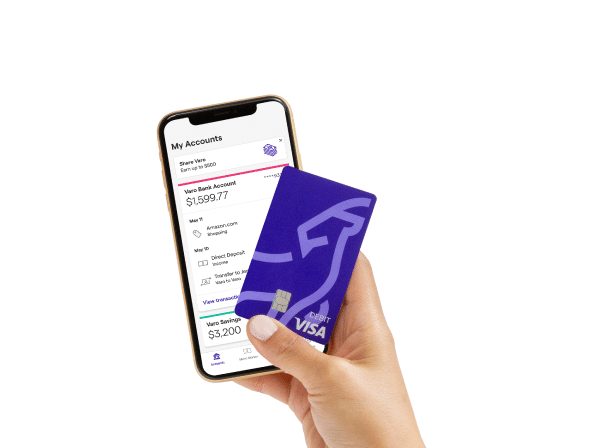
Varo Money officially announced today it is shedding the “banking startup” title, as the company has finally received its banking charter after a three-year journey. Whether more fintechs will follow suit remains to be seen.  “A banking charter comes with capital requirements and regulatory oversight that will not be appealing to all fintechs,” said Julie Hill, a professor at the University of Alabama School of Law who focuses on banking and commercial law. Startups Remitly and TransferWise, meanwhile, scored big funding rounds and boosted their valuations.

Find this and more in today’s edition of The Weekly Wrap, featuring JJ Hornblass, Bianca Chan, Rick Morgan and Patrick Kandianis, CEO and co-founder of Quatromoney, for the week ending July 31, 2020.


The following is a transcript generated by AI technology that has been lightly edited but still contains errors.

JJ Hornblass , CEO of Royal Media  

Hi, everyone. I’m JJ Hornblass and welcome to FinTech Unfiltered from Bank Innovation, the leading digital news service on banking and FinTech. This is our Weekly Wrap on what’s happening in banking innovation for the week of July 27 2020. Before beginning I want to thank Bank Innovations, advertisers, Mambu, LQD Finance and Infogroup for their support. So thank you very much to them. I am joined today by Rick Morgan and Bianca Chan from Bank innovation and Patrick Kandianis, sorry, that’s a Quatromoney just a really interesting startup but also a member of the current FinTech accelerator class. So welcome, Patrick. Good to have you. It is Friday, July 31. 2020 I wanted to just start with you, Patrick, and just get a little bit of a rundown on, you know, just what what Quatromoney is and what you guys are up to.


Patrick Kandianis, CEO and co-founder of Quatromoney

Yeah, thanks, JJ. So we’ve, we’ve got a platform that helps families plan better for college, specifically the financing components. You know, it’s a huge top of mind worry for families, you know, almost 75% of families are, that’s their biggest money concern, and that’s a consistent ranking and Gallup polls and, and yet, there’s very little, there’s very little out there. You know, there’s a lot of generic stuff out there, but there’s not a lot where you can really, you know, get a view into an individual family, student and parents and their ability to pay. Also, you know, looking at college costs in total not looking at it year by year. So there’s you know, it’s Kind of a broken system, they’re certainly one of the causes of, you know, too much student loan debt, bad student debt. And in this sort of pandemic environment, the sort of fear factor is amplified. You know, you have economic troubles, you have college kind of in turmoil. And folks, you know, increasingly are looking to plan, they’re looking to determine value, is this a valuable purchase? And, and because this is such an expensive purchase, certainly the largest purchase a young adult makes in their lives. You know, we’re talking about sticker prices on schools getting into the $80,000 range. Obviously, not everybody pays that. But unless you’re someone who can just write a check, unless you’re, you know, the really wealthy bucket, this is going to be a concern. You’re going to worry about, you know, do I have enough saved, you know, do I have enough income and Uh, you know, what am I going to? What am I gonna do with my finances on this? And that’s just for one kid, if you add in a second kid and the third kid? Well, you know, you’re, you’re talking about a lot of money moving around. So, so yeah, so we’re focused on making those decisions more insightful, and personalized. And we’re looking to partner with banks to provide this, when you do a survey of all the banking and credit union associations out there, just a very, very thin cover, and unless they’re a specialty student lender, and even there, you know, it’s not a sort of a total look at it. It’s a moment in time. So we’re, we’re excited to be part of the the cohort, and we’re excited to meet some of the partners and it’s been great, you know, we’re we’re getting some good traction on our, our b2b approach and looking forward to more 


JJ Hornblass  

Thanks, Patrick. So talking about banks. The lead story or the top story, I think of the week was Varo Bank, a challenger bank getting its bank charter after what seemed like a long period of time, three years, three years, barely a blink and FinTech.So how, you know, what are the implications of the bank charter? Well, first of all the bank into the background on the bank charter, Rick, you know, where did they charter? Why did it take three years? And what are the implications?


Rick Morgan, news editor at Bank Innovation

Well, it took a long time because they need to get through all these regulatory approvals with the OCC, the FDIC, the Federal Reserve, they had to get a lot of people out of their board, they had to hire people that knew about this regulatory space. And it was no no small feat. It took them quite a bit of time. I believe they started in 2018. Looking for a charter Well, that actually started in 2017 Colin Walsh said that when they launched that was his goal right off the rip that he wanted to be a bank. And he said that a lot of people kind of looked at him like he had three heads. You know, they haven’t chartered banks in years, like, why do you want to do this? And he’s like, well, we want to be a real bank. You want to be able to offer a wider variety of products, we want to be able to offer credit cards, we want to be able to do a lot of things that your traditional challenger bank uses a banking partner to do. So they spend a lot of time and a lot of money. I mean, I’ve read reports and I can’t confirm this number one way or the other, but I have read reports. It’s taken, you know, upwards of like hundreds of millions of dollars just to get this across the board and get this across the finish line. They’ve had to hire people, like I said, and it’s just been a very arduous process. They’ve finally crossed it but I don’t know if fintechs out there looking at Varo and say that’s something I want to go through as well. It’ll be interesting to see because it did take so much time. So much money and so much regulatory compliance and so much work.


JJ Hornblass 

So Patrick, would you? I I don’t see a bank charter sort of in your future, per se. But you could, you can see, I mean, there’s obviously value in a bank charter from a FinTech standpoint, but when you hear about the Varo adventure, I mean, where does kind of put you 


Patrick Kandianis

I mean, it just the hurdles are, are certainly there and, you know, I mean, and some would say they’re there for a reason, right? Because the old guard can, you know, hide behind it or or, you know, be behind it and know that it’s going to be a very, very huge dollar move. I mean, you know, just my experience in the past with SimpleTuition, my old company, you know, we had compliance attorneys we, we had licensed in X number of states. Just that exercise alone is heavy, right? Yeah. And so, you know, I think it’s interesting. I don’t, you know, net net. I’m just curious, does that take a percentage of the population and make them feel better about using their service? As a, you know, are 10% of folks not using a challenger bank, because they’re not a real bank. They’re connected to a bank. You know what I mean, a challenger, FinTech. So, I don’t know. I mean, they must believe that this that access to have that product suite is going to, you know, really make a difference. And, you know, but I don’t. I don’t know that the end user perceives that. So I don’t know if they’re interested in.


JJ Hornblass 

I mean, the OCC made a big deal about this. Yeah. Right. I mean, they made a big deal that they were going to make FinTech charters available. Yeah. But I don’t think that a three year is, you know, is a great advertisement for Before that, that charter product from the OCC, you? Yeah. Okay, so fine. So they’ve, you know, Varo has chartered, but I mean it, you know, like, I can’t wait for Quatromoney. I mean, like, if you were to say, you know, let’s go down that path so that we could, you know, facilitate more profound, you know, kind of financial services around college. You know, why would you do that?


Patrick Kandianis

Yeah, I don’t, I don’t think we, we looked, we looked at some back in the day, being a student lender, and there is that sort of siren song that, you know, we can we can point to and say, Well, you know, we really know this space, we really know what people need. Yeah, I think we’re, I think we’re focused more on improving the process rather than, you know, trying to be a real, you know, a lender. There’s being a lender, you come under so much scrutiny, and you can see this and, and the You know, whereas if you’re a provider, and and or, you know, on the sidelines, kind of, you know, making the consumer experience better. I think you’ve got the ability to take advantage of the existing infrastructure and, and improve. I don’t know that we’re in on it here. anytime soon.


JJ Hornblass  

Yeah. So there was a big, two big funding rounds this week. For fintechs. One for Remitly and one for TransferWise. These are more of the I don’t know what you what you’d call them. Bianca, the more you know, they’re later stage fintechs for sure. How large were these rounds and what do they, you know, portend for for these two companies.


Bianca Chan, news editor at Bank Innovation 

Yeah. TransferWise raised $319 million, which bumped the company’s valuation to $5 billion, and Remitly, which is a Seattle based remittance company, raised $85 million, which propped the company’s valuation up to $1.5 billion. And it’s really interesting. I mean, we’ve kind of talked about it over the weeks, especially during our weekly wraps, but you’re seeing a lot of action in the payment space, especially during the pandemic, it seems like it’s just one of those segments of FinTech where the economy that’s just getting a lot of action. I mean, earlier in the quarter we saw AvidXchange and Checkout.com also raised hundreds of millions of dollars. That was right when the pandemic hit and on the bank side to TD Bank just announced this week that it created a new role dedicated to commercial payments, innovation. And Wells Fargo also said last week that they’re working on an international payments gateway for their merchant customers to support international transactions. So I definitely think there’s a spotlight on payments and I think the companies that have kind of set themselves up in that space are kind of riding this momentum.


JJ Hornblass  

Yeah, well, I mean, e commerce numbers are insane. I mean, just unbelievable. But I mean, Patrick, do you when you hear those kind of rounds getting done? Well, first of all, I mean, does it surprise you that they got done or didn’t get done? I mean, let’s just talk about it from that level. First. Yeah.


Patrick Kandianis

I mean, well, you’d think that perhaps there’s a flight to safety here with a lot of money and, and in a pandemic, you know, money’s still moving, right. And it’s and it’s global. And it’s, you know, the growth of Amazon even off you know, all of all of this sort of flight in my mind this money is going to proven models that are you know, that have a chance to get out there and battle and grow. Right. I mean, like Flywire in Boston, obviously is a is a big flyer. No pun intended. There’s, you know, I think that that’s what you’re seeing, but it is an awful lot of money. And I valuation. Right yeah. valuation. Yeah. I don’t know what the end you know who buys them and other big bank? I guess that’s if Wells is saying it’s going to start you know, in this business there are probably others who are like, well, let’s just buy one, right so eventually eventually somebody gets picked up but yeah I would say that yes these these are known quantities right and if if they’ve I mean these are almost like PE it’s almost like PE kind of money you know it’s crazy and that’s that’s obviously you know dollar in and $1 50 out or $1 40 out. They want they want to have a pretty good return in their in their heads. 


JJ Hornblass 

Is there a pandemic related dynamic to the college education finance? Saying meaning like, do you expect? Have you gotten any outreach from kind of payments providers who want to be able to facilitate payment along those lines?


Patrick Kandianis

You know, there, there are some specialty lenders right that go after the international student population. One of them’s called MPOWER out of DC. they’ve raised a bunch of money, friends with those guys, but they’re, I’m not sure if this helps or hurts them, right. Because, you know, in the near term, there’s no access, right? So your foreign student isn’t coming here. And that was their stick. I’m hopeful that they’re able to ride that out there, the payments movement, you know, Flywire really is the king of the International payment structure there in terms of remittance in, you know, home currency to US dollars to universities, and so on. Certainly they’re going to be hurt, you know, I mean, not not that their businesses small and they’re also in healthcare. So I think that, you know, that that payments component, you know, and then in the US sort of domestic business, you’ve got Nelnet and a few others that are big companies moving a lot of payment plan monies around. I, you know, honestly, there’s still a lot of jury out I, you know, anecdotally I was, I was playing golf this weekend and a tournament and there happened to be some younger kids who were college age kids, and the four different kids that I met, and then a few parents that were playing, they were all still on the fence. And the one kid was like, yeah, I’m, I’m gonna wait until August 15. Or August 20, and I still may stay home. So this uncertainty, I think, is, you know, pretty universal. But the United States right now is that we’re not helping our brand right? You know, other countries that got behind it and locked it down? You know, you’re seeing students that were, you know, looking at the US going to the UK going Australia, they’re going to places that they feel safe. And so it only takes a couple of years of that, and then that international population can dry up.


JJ Hornblass 

Yeah, I didn’t know anything about these, you know, Remitly, TransferWise and so on. I mean, those GDP numbers for the US yesterday, were just unbelievable and that I understand that the you know, digital commerce numbers are like through the roof, but these things will eventually play out and I can’t, you know, I think it seems like you know, I wonder whether they’ll be negative impact on kind of money flow overall, just generally a calm Considering these GDP as I understand it, things are improving. But you know, this was just, I mean 30% is just it’s we’ll never see this again in our lifetime. So it was just such startling.


Patrick Kandianis

The brick and mortar bankruptcies, the, you know, the stay at home mentality. I mean, yeah, you know, I mean, people are going back out to eat right, but they’re not going out to fancy restaurants. You know what I mean? I think I saw some figure I didn’t see exactly the I can’t trace the news source, but people have been paying down a ton of debt, right? credit card debt has shrunk in this time, you know, so there’s fewer things to buy, because there’s fewer places to spend it in some ways. So ultimately, you know, ultimately there it needs to even back out and start climbing back up. Yeah, I do think people’s buying habits have changed. And, you know, let’s not forget This was buoyed by $1,200 dollar checks and $600 extra per week. And if the feds if the Congress can’t hammer out some sort of deal anytime soon, you know, August and September are going to look pretty bleak. I think.


JJ Hornblass  

It’ll make those valuations maybe raise some questions around those valuations. So, Rick, what are we working on for next week?


Rick Morgan  

Got a few things in the pipe. But mainly looking at Digital chat bots, and specifically voice activated chat bots to see how banks are making them less rigid and more conversational so that you can have real conversations with these digital chat bots and not have to follow a prescribed script and what the technology is underpinning this.


JJ Hornblass

And Bianca?


Bianca Chan  

Yeah, we’re going to be looking at more FinTech lenders, kind of expanding their offerings trying to reach that full balance service provider level that, you know, Varo hopefully just got and looking at that trend.


JJ Hornblass  

Okay, Patrick, What’s up? You have another golf tournament this week?


Patrick Kandianis

We’ve got some INV stuff next week, we’ve got we’re excited about and we’re, yeah, we’re just, you know, we’re just busy. There’s a lot going on. We did just raise some more money from MassMutual, which is great. So that’s kind of keeping the engines moving. Good. And so, you know, we’re, we’re, I think good. And, and now we just need to start, we just need to start talking to more folks about what we have as an offering. So putting on the biz dev hat and, and making that happen. So that’s good.


JJ Hornblass  

Number one. All right. Well, thanks for being here. Patrick, and Rick and Bianca. Thank you all for tuning in. Don’t forget to rate FinTech Unfiltered wherever you listen to your podcasts and and of course we want to hear from you and you can email us at info@bankinnovation.net, catch us on Twitter and LinkedIn and of course, visit us at Bankinnovation.net. Thanks for joining and we’ll see you next time. Until next time, keep it unfiltered. 

Tags: Capital & FundingPremiumQuatromoneyRemitlyTransferWiseVaro MoneyvideoWeekly Wrap

Related Posts

Signage is displayed inside the American Express Co. Centurion Lounge during a media preview event at Los Angeles International Airport (LAX) in Los Angeles, California, U.S., on Thursday, March 5, 2020. AmEx has told shareholders that spending on membership services, which includes its lounge collection, will be its fastest-growing expense this year—cost decisions that came prior to the current crimp on global travel due to coronavirus. Photographer: Patrick T. Fallon/Bloomberg
Payments

American Express to insure agentic commerce

July 24, 2026
uipath
Risk & Security

Inetco launches agentic AI fraud investigation tool

July 24, 2026
Load More

EMERGING FINTECH DIRECTORY

Emerging Fintech Directory

The Buzz Podcast

SPONSORED

Build an Antifragile Strategy to Outperform the Market

July 14, 2026

How AI and Product Experts Turn Fuzzy Requirements Into Focused Dev-ready Roadmaps

April 19, 2026

Is Your Technology Supplier There for You?

April 1, 2026

Next Post
Image via Varo Money

A disruptive vision: Varo is officially a bank

  • About Us
  • Help Center
  • Contact Us
  • Privacy Terms
  • ADA Compliance
  • Advertise

 [wt_cli_manage_consent]

Connect

twitter linkedin podcast podcast podcast
© 2026 Royal Media
No Result
View All Result
  • NEWS
    • All News
    • Banking
    • Lending
    • Payments
    • Risk & Security
    • Strategy
  • AI News Tool [Beta]
  • DATA
  • TRANSACTIONS
  • EVENTS
    • FinAi Banking Summit
    • FinAi Lending Summit
  • PODCAST
  • WEBINARS
    • Webinar Library
  • SUBSCRIBE
  • Log In / Account

Unlock This Article

Create your free FinAi News account to access this article and stay informed on how AI is transforming financial services including banking, lending, payments, and risk.

Yes, I'd like to receive FinAi News updates, breaking news, and exclusive AI insights for financial services leaders.

Continue Reading with FinAi News Premium - Less than $2/Day

Upgrade to FinAi News Premium for unlimited access to news, insights, trends, and intelligence on how AI is transforming financial services including banking, lending, payments, and risk.
Upgrade to FinAi News Premium Subscription
No Result
View All Result
  • NEWS
    • All News
    • Banking
    • Lending
    • Payments
    • Risk & Security
    • Strategy
  • AI News Tool [Beta]
  • DATA
  • TRANSACTIONS
  • EVENTS
    • FinAi Banking Summit
    • FinAi Lending Summit
  • PODCAST
  • WEBINARS
    • Webinar Library
  • SUBSCRIBE
  • Log In / Account