The next generation of stock traders could be coming into the world of investing by way of gaming.
Stock trading app Invstr‘s gamified approach to investing is helping it reel in millennial and Gen Z customers. According to founder and CEO Kerim Derhalli, younger generations are eager to learn the investing process and are more interested in managing their money themselves than leaving the task to someone else, or even a robot. He said Invstr allows people to play the stock market and then to invest in it for real.
Invstr has added 275,000 users since December 2018, when it rolled out a new format of its investing game called Fantasy Finance, which is modeled after fantasy sports apps. Derhalli said Invstr currently onboards about 3,000 new users per day, attributing the user growth to a focus on informed and self-directed — meaning not automated — financial services.
As Invstr scales up, however, it competes against some formidable rivals. Look no further than Robinhood’s $323 million Series E funding round led by DST Global, which was announced on Monday. Robinhood, which boasted more than 6 million customers as of the end of 2018, is now valued at $7.6 billion and armed with plans to expand into other areas of financial services.

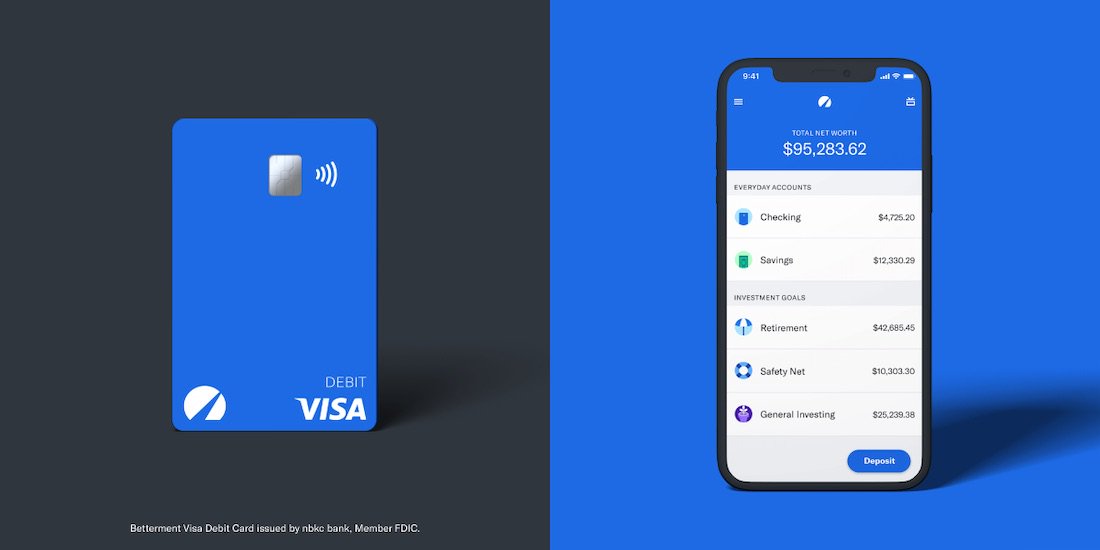
Invstr’s educational component, Derhalli noted, is one of the app’s greatest differentiators, especially from other investing apps like Acorns, Wealthfront and Betterment, which provide advice and automated investing services. “I’m not a fan of the robo-advising model,” he said. “The biggest benefit is it automatically rebalances your portfolio, but most people have no natural affinity with what they’re buying or selling, so there’s no emotional connection with their investment portfolio.”
Dennis Gallant, senior analyst at Aite Group, said robo-advisers are good at tackling investment advice but they fall short on long-term client engagement tools. “As investors get older, accumulate wealth and look for new opportunities, how do these platforms keep up?” he asked rhetorically.
Invstr’s in-app Fantasy Finance game is a result of the app’s “play-learn-invest” model, Derhalli noted. Players create and manage a $1 million fantasy portfolio and must make the right market moves to achieve the highest returns and claim monthly prizes. “Players can experience everything in the world in real-time — with real crises, real news and real events — and practice investing in a riskless way,” he explained. “The only thing that’s not real is the money, so they can afford to make mistakes and learn from their mistakes.”
Separate from the gaming experience, Invstr users also play with real money. As of October 2017, brokerage services of U.S.-traded securities, including fractional trading, are available to Invstr’s users through a partnership with broker-dealer DriveWealth, a member of the Securities Investor Protection Corp. Additionally, Derhalli said Invstr is exploring the possibility of offering banking services, debit cards and checking and savings accounts. The company is in the process of selecting a banking-as-a-service partner, he noted.
A veteran of traditional finance, Derhalli left his role as global head of equity trading at Deutsche Bank in 2012 to found Invstr, which launched as a stock-picking game in 2013. The U.K.-based company now has users in 208 countries, although about 70% of the user base is in the U.S. Most users are 18 to 24 years old and 85% are under the age of 35, he noted.
Although Robinhood targets the same millennial demographic as Invstr with a self-directed investing approach, it lacks the gamified experiences Invstr offers. It does, however, provide market research and customized investment news. Both platforms offer premium subscriptions with advanced content for an additional fee.
Invstr’s gamified approach certainly is a point of differentiation from its main competitors, Gallant said, although he added that Robinhood has a considerable head start in terms of customer acquisition and building out its own infrastructure.
Also see: Guess Which Startup is Looking to Hire a Regulatory Counsel
According to Derhalli, the self-directed financial services opportunity is the “single biggest commercial opportunity” in the world due to a global trend toward individual empowerment aided by technology. “The financial industry has done a very good job at making financial services and the process of investing seem so complicated that you need to pay a professional lots of money to do it on your behalf,” he said. “That myth has been debunked, but people still feel reluctant to take the risk and manage their own money because they’re unfamiliar with the world of investing.”